Independant film-maker John Sayles’
“City of Hope” & “Men With Guns”
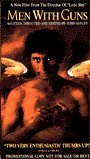

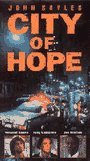
Schenectady, New York, native John Sayles, has compiled an impressively prolific resume since his birth in 1950. Besides numerous short stories, screenplays, books, and music videos, the films he has both written and directed include (in reverse chronological order): Sunshine State (release date June 21, 2002); Limbo (1999); Men With Guns (aka ‘Hombres Armados’ 1998); Lone Star (1996);
The Secret of Roan Inish (1994); Passion Fish (1992); City of Hope (1991); Eight Men Out (1988);
Matewan (1987); The Brother from Another Planet (1984); Baby, It’s You (1983); Lianna (1983); and Return of the Secaucus 7 (1980)! Even more amazing is than his incredible number of film and scope of subject matter is the fact that Sayles is an independant filmmaker!
While all John Sayles’ films are well done and well worth your time and money (for instance, “Return of the Secaucus 7” was the uncredited precursor of the big hit, “The Big Chill”), Alter-Nation wishes to draw your attention to two films in particular: “City of Hope” and “Men With Guns”. As always, Sayles’ scripts reflect real people, real life, and real issues. City of Hope is set amidst the hustle of 1980’s New Jersey real estate development, construction, and slumlordship where we watch self-respecting folks slide down the slippery slope of economic prostitution, calling it “The American Way” at every step. In the end, a panhandler gets it exactly right: “Help! Help! We need help here! Help! We need help here!” Men with Guns, on the otherhand, tackles the horror of life as a peasant in Northern Guatemala / Southern Mexico… completely in Spansih and native indian languages with English sub-titles! This film is brilliant, uncompromising, and emotionally potent. As the title implies there are just two kinds of people in this modern world: ‘Them what gots ’em and them what ain’t.’
While all of Sayles’ works deal unflinchingly with the truth of the modern human condition, the stark messages of the two film reviewed above, plus the raw power of Sayles’ storytelling, will make you a believer: John Sayles’ entire repertoire is worthy of your attention.